Stop Picking Sides: The Case for Broth and Dry Noodles on One Menu
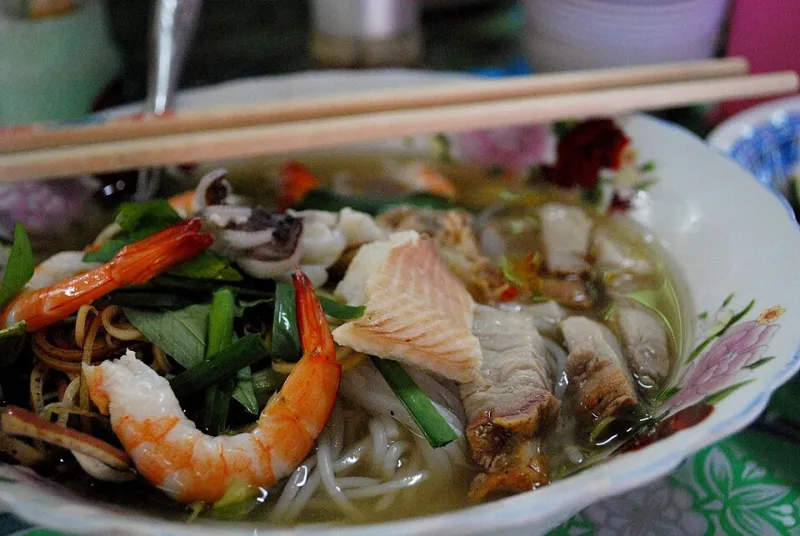
Photo: avlxyz, CC BY-SA 2.0, via Wikimedia Commons
There is a particular kind of argument that only starts after the second bowl. One person says broth is the whole point of a noodle bar. Another says broth is just a warm bath for noodles that should be doing more interesting things. Someone mentions texture. Someone else mentions comfort. Then the chilli crisp gets passed around and everyone forgets what they were arguing about.
Still, the broth-versus-dry debate refuses to die in the UK. It turns up in group chats, on review sites and in the queue at the counter. And like most food arguments, it gets better once you stop pretending there is a single correct answer.
Two camps, one counter
The broth camp wants slurp. They want steam on the glasses, a spoon that keeps coming back, and the feeling that dinner has been simmering for longer than their attention span. The dry camp wants cling. They want sauce wrapped around every strand, a bit of chew, a bit of crunch, and no risk of arriving home with a soggy lid full of disappointment.
Both are right. That is the annoying part.
A noodle bar is not a courtroom. It does not need to declare a winner. It needs to understand that different nights demand different bowls. A wet, cold Tuesday and a Friday takeaway with friends are not the same meal, even if they come from the same menu.
The broth argument: comfort with a clock on it
Broth is generous. It fills the bowl, carries the aromatics and makes a modest amount of protein feel like a proper dinner. A good broth has depth without heaviness: chicken and pork bones, maybe a little dashi, ginger, spring onion, a hit of white pepper. It should taste clean enough to keep drinking but bold enough to stop the noodles from feeling like an afterthought.
On a cold November night, broth is hard to beat. It is the bowl you want after a long shift, a damp walk or a train journey that has somehow made your shoulders meet your ears. It is also the bowl that demands a little respect on the takeaway journey. Pack broth and noodles separately if you can. Keep the toppings crisp. Do not let the kitchen drown the whole thing in liquid just because the container looks empty.
The best broth bowls for takeaway are not the most delicate ones. They are the ones built with a bit of resilience: noodles with enough bite, a broth that is seasoned to survive a ten-minute car ride, and toppings that can handle a little steam without turning to mush.
The dry argument: texture that travels
Dry noodles are the takeaway natural. They are tossed, not flooded. The sauce clings to the noodles instead of hiding underneath them. You get chew, salt, heat and crunch in the same mouthful. A good dry bowl feels engineered for the journey home: no leaks, no separation anxiety, no sad noodles floating around like they have lost their purpose.
The dry camp also has the better case for crunch. Beansprouts, cucumber, crispy shallots, crushed peanuts, fried garlic, spring onion—these things want to stay crisp, and a dry toss gives them a fighting chance. Add a spoonful of chilli crisp and you get that lovely oily, savoury cling that makes the last few strands taste as good as the first.
Where dry bowls fall down is when they are under-sauced. A dry bowl should not be a dusty bowl. It needs enough dressing to coat every noodle, enough acid to cut through the fat and enough salt to make you reach for the next mouthful. If you need a glass of water after three bites, that is not heat—that is a kitchen that has lost the plot.
Where takeaway changes the scorecard
At the counter, broth has the edge on drama. Steam, aroma, the whole performance. At home, dry noodles often win on consistency. They arrive with their texture intact and their flavours already married. Broth needs a little more care, but it can still travel well if the kitchen builds it for the box rather than the bowl.
This is where menus should get clever. Instead of asking customers to pick a side in a philosophical war, a good noodle bar should offer both styles with clear instructions. Broth bowls should come with noodles packed separately or a note telling you to add them when you get home. Dry bowls should come with crunch packed on top, not buried underneath a lid where it can go soft.
At V10 Noodle Bar, the whole idea is big bowls, fast flavours and no fuss. That does not mean one style. It means both styles doing their job properly: broth for comfort, dry toss for crunch, and a kitchen that knows the difference.
What to order when you want comfort
Go for broth with a clear, savoury base and noodles that hold their bite. Chicken or pork broth with char siu, bok choy and a soft egg is the classic move. Add chilli oil on the side if you want heat without losing the broth. If you are ordering takeaway, ask for the noodles and broth separate if the option exists. If it does not, eat it sooner rather than later. Broth is not a patient houseguest.
What to order when you want crunch
Go dry. Look for a toss with a glossy sauce, plenty of texture and a protein that can carry the salt. Crispy pork, fried tofu, shredded chicken or prawns all work. Ask for extra beansprouts, pickles or crispy shallots. Squeeze lime over the top. Mix it properly before you start, not halfway through when you realise all the sauce is at the bottom.
The truce plate
The best UK noodle bars should stop treating broth and dry as rival religions. They are two tools for two moods. Broth is the long, warm hug. Dry is the sharp, crunchy handshake. A menu that can do both well is not indecisive. It is useful.
So next time someone starts the debate, do not pick a side. Pick a bowl. Then pick another one next week.