From Counter to Couch: Why Your Noodles Need a Ten-Minute Plan
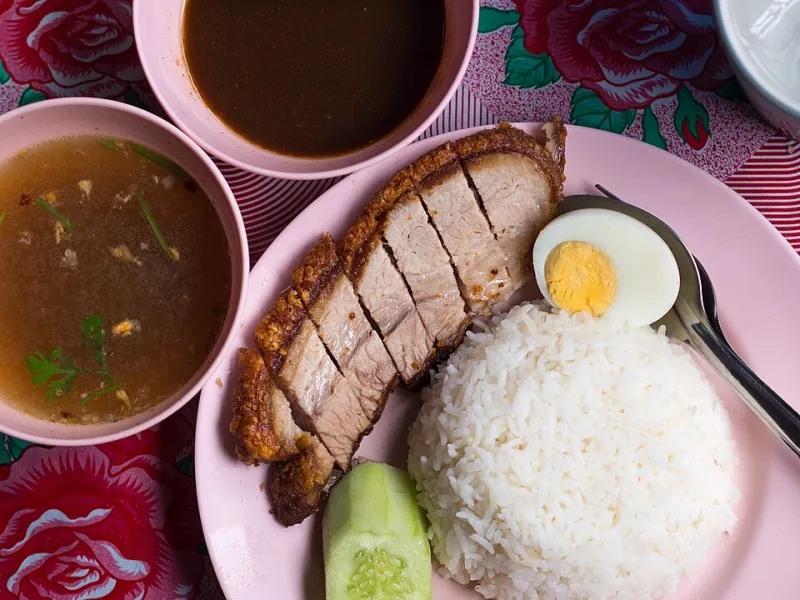
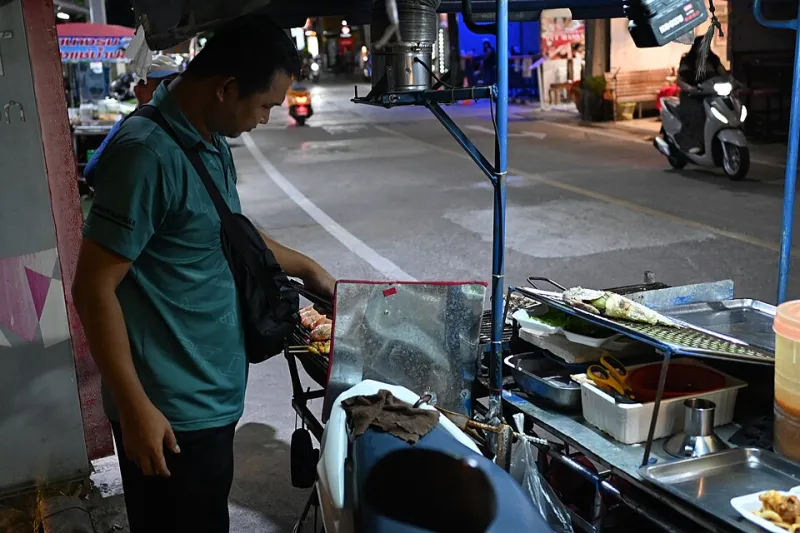
Photo: Takeaway, CC BY-SA 3.0, via Wikimedia Commons
There is a particular moment in every takeaway noodle order when the bowl is perfect. It is not when the lid goes on. It is about ninety seconds earlier, when the noodles are just drained, the broth is properly hot and the toppings still have their edges. After that, the clock is running.
At V10, we think about that clock a lot. Not because we want to turn dinner into homework, but because a noodle bowl is a living thing in a bag. It keeps cooking, steaming, settling and separating while you pay, pull on a coat and walk into whatever November is doing outside. The walk-home test is simple: will this bowl still taste like itself when you open it ten minutes later?
The ten-minute window
Noodles are not a sandwich. They do not sit patiently. Rice noodles can go from springy to gluey in the time it takes to wait for a bus. Wheat noodles can drink up broth and turn a soupy bowl into a stodgy one. Broth that was clear at the counter can start to split or pool oil at the edges. Fried toppings that were crisp when they went in can go soft under trapped steam.
In the UK, we ask a lot of takeaway food. We order it in cold, wet weather, then carry it through wind, rain and the awkward bit where you are holding a bag and trying to unlock a door. A bowl that is designed only for eating in the restaurant is not really designed for a British night out. It is designed for a photograph.
What actually goes wrong in the bag
The first problem is heat. A hot broth in a sealed container creates steam, and steam is not always your friend. It keeps the bowl warm, which is good, but it also softens anything crisp and makes the inside of the lid sweat. When that condensation drips back down, it can water down a sauce or make a dry noodle dish feel clammy.
The second problem is separation. Broth is an emulsion of fat, water and flavour. It does not like being jostled. A rich tonkotsu-style broth or a chilli-oil-laced broth can start to look split after a few minutes in a bag, even if it tastes fine. It is not ruined, but it is less appetising. A quick stir fixes most of it; good packing prevents some of it.
The third problem is clumping. Noodles left sitting in a hot, sealed container keep absorbing moisture and starch. They stick together in a way that is annoying to untangle with chopsticks in a dimly lit kitchen. The fix is not complicated: slightly undercook the noodles, drain them well, and keep them separate from the broth until you are ready to eat.
The fourth problem is steam-lost toppings. Spring onion, fried shallots, crushed peanuts, crispy chilli and fresh herbs all have one thing in common: they want to be dry and crisp until the last moment. Put them on top of a hot bowl and close the lid, and they will happily surrender.
How V10 packs a bowl for the journey
We treat takeaway noodles as a two-part dish, not a single finished object. Broth goes in one container, hot and well seasoned. Noodles go in another, drained and just shy of fully cooked so they finish in the bowl rather than in the bag. Sauce-heavy dry noodles get their sauce packed separately where it makes sense, so the noodles do not sit in a puddle before you have even left the pavement.
Crisp toppings go in a small pot or a paper pocket, not on top. Fresh herbs and spring onion go in with them. This is not fussiness for its own sake. It is the difference between a bowl that arrives with texture and one that arrives with a uniform softness.
We also think about the container itself. A vented lid or a loose corner can let some steam escape without letting the whole bowl go cold. A double bag helps with heat and with the inevitable rain. And we keep the sauces on the side when a customer is travelling more than a few minutes, because a sauce that is already mixed in has no chance to be adjusted later.
Ordering for the walk home: a simple guide
If you have more than ten minutes between the counter and your table, order with the journey in mind. It is not about being precious. It is about getting the bowl you actually wanted.
- Choose dry noodles if you are travelling far. A sauce-coated bowl with separate sauce is more forgiving than a broth bowl that has been sloshing for fifteen minutes.
- Ask for broth on the side if you are unsure. Pouring hot broth over noodles at home takes ten seconds and gives you a much better bowl.
- Keep crisp toppings separate. If the app or counter offers it, take the option. If it does not, ask. Most noodle bars would rather hand you a small pot than serve you soggy shallots.
- Avoid extra watery vegetables if you are not eating straight away. Cucumber, bean sprouts and leafy greens are lovely fresh; they are less lovely after a steamy walk.
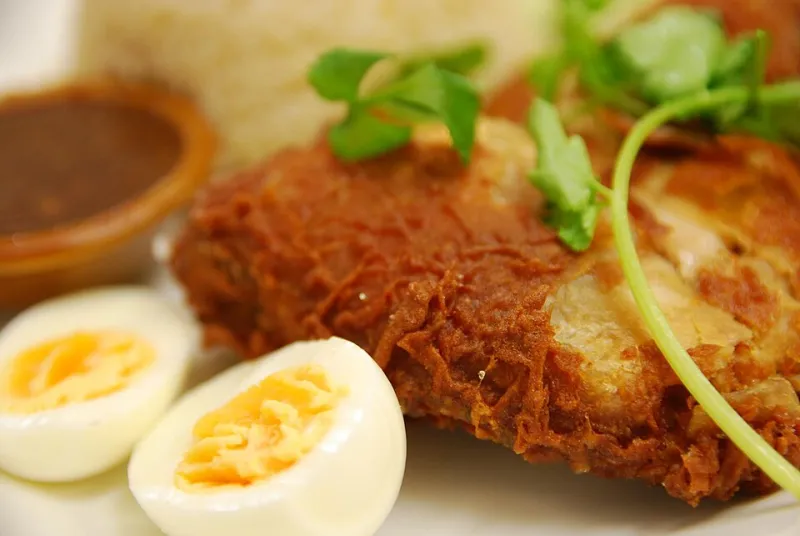
- Pick a robust protein. Braised pork, crispy chicken, tofu and mushrooms all hold up better than delicate slices that can overcook in transit.
- Do not over-order broth and noodles in the same huge container unless you are eating within five minutes. A big bowl is brilliant. A big bowl that has been shaken for a mile is a different thing.
The finish line
The walk-home test is not about lowering standards. It is about admitting that takeaway noodles have a journey, and that the journey changes the food. A good noodle bar should pack for the ten minutes after you leave, not just the ten seconds before you do.
So if you are ordering on a cold, wet night, tell us how far you are going. Ask for the broth on the side. Keep the crispy bits crispy. Then get home, tip everything into a bowl, stir it once and eat it while it is still hot. That is the whole point of a big bowl and fast flavours: it should still feel like dinner when you finally sit down.