Full Throttle, No Clutch: What the V10 Name Brings to the Bowl

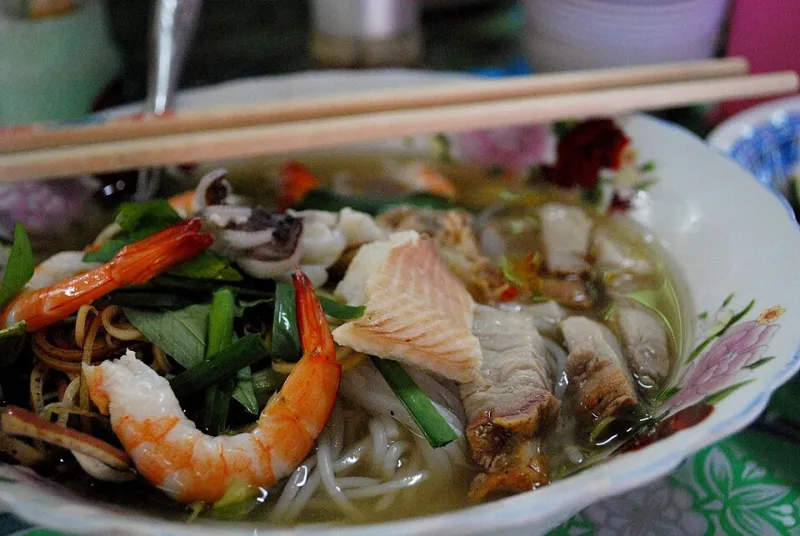
Photo: steaming bowl of Asian noodles with chopsticks on a dark counter in a UK noodle bar, via i.scdn.co
Some names arrive with a job to do. V10 is one of them. It sounds like an engine, and that is deliberate. It also sounds like a challenge, which is less deliberate but not entirely unwelcome. People ask whether we are petrolheads, whether there are ten bowls, ten chillies or ten secret ingredients. The honest answer is that the name is a shorthand for the way we think a noodle bar should run: compact, eager, and built to deliver a proper hit of flavour without making a performance of it.
A Name That Has to Earn Its Keep
A bad name is wallpaper. You stop seeing it. A good one keeps tapping you on the shoulder. V10 does that for us. It sits above the counter and reminds us that speed is part of the meal, not an apology for it. In a UK high street, lunch has a timetable. People have twenty minutes between meetings, a bus to catch, a train platform to reach, a desk to get back to. They do not want a lecture on fermentation. They want a big bowl, a clear flavour, and the feeling that they have eaten properly.
That does not mean rushed. It means prepared. The engine metaphor is useful because an engine is not fast by accident. It is fast because the parts are arranged well. Stocks are ready. Chillies are sliced. Greens are blanched. Noodles are timed. Sauces are balanced. The person at the counter is not rummaging for the point of the operation. They are assembling something that has already been thought through.
The Engine Is the Menu
A V10 is not a sprawling industrial estate of an engine. It is a particular layout with a particular character. We take the same view of the menu. A noodle bar does not need sixty dishes to prove it can cook. It needs a tight set of decisions that work together: broth or dry, wheat or rice, heat level, protein, crunch, garnish. Fewer moving parts means fewer bottlenecks. It also means the kitchen can get good at the things it actually sells.
This is not minimalism for the sake of looking clever. It is appetite-driven practicality. If the menu is too broad, the queue slows, the takeaway bags stack up, and the noodles sit waiting for a sauce that has not been finished. A short menu keeps the bowls moving. It keeps the flavours sharp. It keeps the person on the till from having to explain seventeen variations while the fryer is calling.
Speed Without Shortcuts
The word fast gets a bad reputation in food. It can sound like a shortcut, a microwave ping, a shrug. We mean something else. Fast flavours are the ones that land quickly: chilli crisp, black vinegar, soy, sesame, crispy shallots, pickled chillies, a squeeze of lime. They do not need to be complicated to be memorable. They need to be used with confidence.
Speed comes from the back of house, not from cutting corners at the front. A broth that has had time to build will taste good the moment it hits the bowl. A sauce mixed in advance will coat a noodle evenly instead of leaving one mouthful bland and the next one salty. A properly drained noodle will hold its bite instead of turning into a warm puddle. That is the engine at work: not visible, but doing the job.
Punchy Flavour, Not Punishing Heat
V10 should never mean volcanic for the sake of it. Heat is a dial, not a dare. Some people want a gentle warmth that sits behind the bowl. Some want the chilli to step forward and take charge. Both are valid. The mistake is treating heat as a substitute for flavour. A bowl that only tastes of pain is not a fast bowl. It is a test.
We build heat in layers: chilli crisp for texture and oil, fresh chilli for a bright edge, pickled chilli for acidity, maybe a little chilli oil at the end. That way the bowl has movement. You get salt, sour, savoury and heat in the same spoonful. If you want more, ask. If you want less, ask. The engine does not mind being tuned.
Built for the High Street
A noodle bar on a UK high street is not a fine-dining room with a queue outside. It is part of the daily machinery. It feeds people between shifts, before films, after drinks, on wet Tuesdays and bright Saturdays. The V10 idea suits that rhythm. Big bowls. Fast flavours. No fuss. The kind of place where the food arrives with enough urgency to match the street outside.
That also means the bowl has to travel. A takeaway container is part of the engine, whether we like it or not. A broth packed separately, a dry noodle that holds its bite, a garnish that stays crisp: these are not boring details. They are the difference between a good idea and a good dinner. The name keeps us honest about that too.
What V10 Does Not Mean
It does not mean ten types of noodle stacked in a window. It does not mean a ten-minute guarantee or a challenge wall. It does not mean every bowl has to be a firework. The engine is not a gimmick. It is a discipline. It asks a simple question of every dish: is this fast, focused and full of flavour? If the answer is no, the bowl needs work.
A name can only do so much. The food has to carry it. But a name can set the temperature of a place. V10 sets ours at eager, not frantic. It says we would rather do a small number of bowls properly than a huge number badly. It says the counter should move, the flavours should land, and the bowl should feel worth the journey. That is the engine. The rest is noodles.