The Pot Test: What a Noodle Bar’s Condiments Reveal Before the Broth Lands
A noodle bar can write anything on a menu. It can promise slow broth, hand-pulled noodles, heritage chillies and a secret family paste. But the condiment counter is harder to fake. Those little pots and squeeze bottles sit there in public, doing the unglamorous work of finishing a bowl. If they are clean, topped up and looked after, you can order with a bit more confidence. If they are sticky, tired and forgotten, that tells you something too.
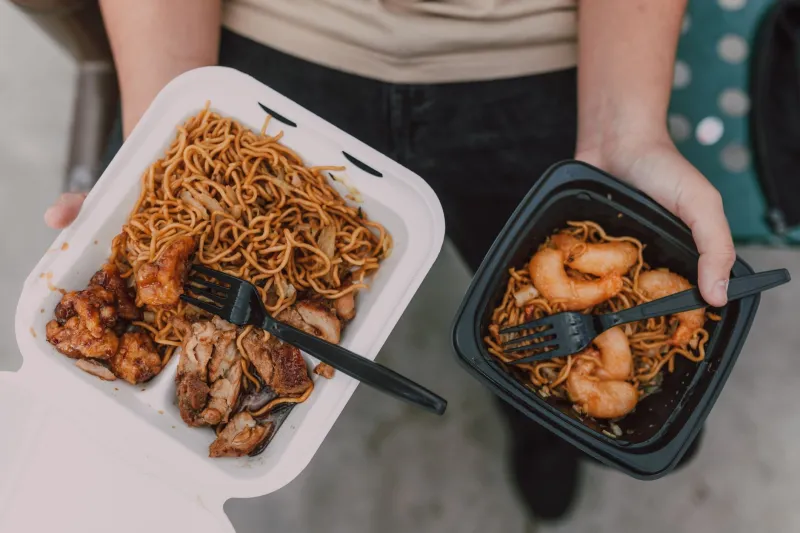
This is not about being precious. It is about reading the room before you spend your money, especially when the bowl has to survive a bus ride, a chilly walk or the back seat of a car. A well-kept condiment station is a better signal than a long menu, because someone has to notice it every day. That takes care. And care is what takeaway noodles need.
Why the counter beats the menu
Menus are marketing. They are designed to sound good, and most of them do. The condiment counter is operational. It shows whether the kitchen is paying attention after the first rush, whether the front of house has a routine, and whether anyone has tasted the chilli oil recently. You can learn a lot from a place that keeps its black vinegar sharp and its pickled chillies crunchy. You can learn something else from a place where the soy bottle has a crusty ring around the cap.
For takeaway, this matters even more. A bowl that travels needs acid, heat, salt and crunch to stay lively. If the condiments are poor, the kitchen has to have nailed everything else. If the condiments are good, you have options when you get home. That is a useful safety net.
Chilli oil: look for movement, not gloss
Good chilli oil should not look like a decorative puddle. Give the jar a gentle shake or look at how it sits. You want sediment, flakes, seeds and a bit of body. You want colour that looks infused rather than dyed. A bright scarlet oil with no visible solids can still be fine, but it is often more heat than flavour. A proper chilli oil has depth: toasted notes, a savoury edge, maybe a little sweetness. It should smell like something you want on your noodles, not just something that will numb them.
If the oil looks separated in a bad way, with a thick greasy layer and dry-looking flakes underneath, be cautious. If the jar is half-empty and smeared down the side, that is not automatically a red flag—busy counters get messy—but it should still look fresh. Chilli oil goes stale. Old oil tastes flat and slightly dusty. You notice it in the bowl even if you cannot name it.
For takeaway, ask for chilli oil in a separate small pot if you can. That way you control the heat and the crunch, and the noodles do not arrive swimming in oil that has had twenty minutes to soften everything. At home, add it in stages. Taste, stir, taste again.
Black vinegar: the quiet test of care
Black vinegar is the condiment that separates the careful from the careless. It should smell sharp and slightly sweet, not harsh like cheap acetic acid. It should be dark and clear enough, without a weird film on top. In the pot, it should look clean. On the counter, the bottle should not be sticky. That sounds basic, but basic things are exactly what busy kitchens let slide.
Why does it matter? Because black vinegar does a job that nothing else does. It lifts a rich broth, cuts through chilli oil and makes a dry noodle bowl taste brighter. If a place keeps its vinegar well, it probably understands balance. If the vinegar is dusty or has been sitting open since the summer, your takeaway bowl may taste heavier than it should.
Ask for a little vinegar on the side if you are ordering a dry noodle dish or something with a thick sauce. Add a splash at home, not a flood. You want the bowl to wake up, not turn into a pickling project.
Pickled chillies: crunch, colour, clean brine
Pickled chillies are a small thing that tells a big story. They should look lively: clean green or red, not dull brown. The brine should be reasonably clear, not cloudy with debris. They should still have a bit of snap. If they are mushy or taste only of salt and vinegar, they are there for decoration. If they are fresh-tasting, sharp and slightly fruity, someone is paying attention.
These are especially useful for takeaway because they add acidity and crunch that survive the journey better than fried shallots or fresh herbs. Ask for them separately if the kitchen will do it. Then add them at the last minute. A few slices on top of a hot bowl can make the whole thing feel brighter.
Soy: the boring one that exposes sloppiness
Soy sauce is not exciting, which is why it is such a good test. The bottle should be clean. The cap should not be gummed up. The liquid should not have a ring of dried salt around the neck. These are tiny details, but they show whether the counter gets wiped down and whether anyone replaces things before they become grim.
Light soy and dark soy do different jobs. If a place offers both, that is a good sign. If it offers only one, fine—but it should taste clean and savoury, not flat and salty. For takeaway, ask for a small pot of soy on the side if you are unsure about seasoning. Broths can reduce and concentrate on the way home. A little extra soy, added at the end, can rescue a bowl that has gone slightly quiet. Just add it drop by drop.
What to skip
Skip the condiment that looks like it has been out since lunchtime. Skip the pot with a skin on top, the jar with a broken lid, the bottle with dried crust around the opening. Skip anything that smells dull or dusty. You are not being fussy. You are reading the evidence.
Also skip the urge to use everything at once. A takeaway bowl does not need four types of heat and three types of salt. Pick one thing to lift the bowl and one thing to add crunch or acid. That is usually enough.
The extra pots worth asking for
Ask for chilli oil separately. Ask for black vinegar separately. Ask for pickled chillies separately if they are available. These three give you control at home. If the kitchen is busy, they may say no, and that is fine. But a noodle bar that understands takeaway will often say yes, because it knows the bowl has a journey ahead of it.
A small pot of soy is useful if you are ordering something with a light broth. A pot of extra chilli crisp is useful if you want texture. What you probably do not need is a giant bag of sauces that will sit in the fridge until they turn into science experiments. Keep it tight.
A two-minute audit before you order
Have a look before you commit. Is the counter clean? Are the pots topped up? Does the chilli oil look alive? Does the vinegar smell sharp? Are the pickled chillies bright? Is the soy bottle tidy? You do not need to conduct a full inspection. Just take it in. A good counter looks cared for, not perfect. A bad one looks abandoned.
At V10, we like big bowls, fast flavours and no fuss. That means the finishing touches should be as reliable as the broth. A well-kept condiment station is not a gimmick. It is a promise that the last few seconds of seasoning have been thought about. And when you are eating noodles out of a takeaway box, those last few seconds matter more than the menu ever will.