The Second-Day Bowl: A Leftover Noodle Rescue Plan
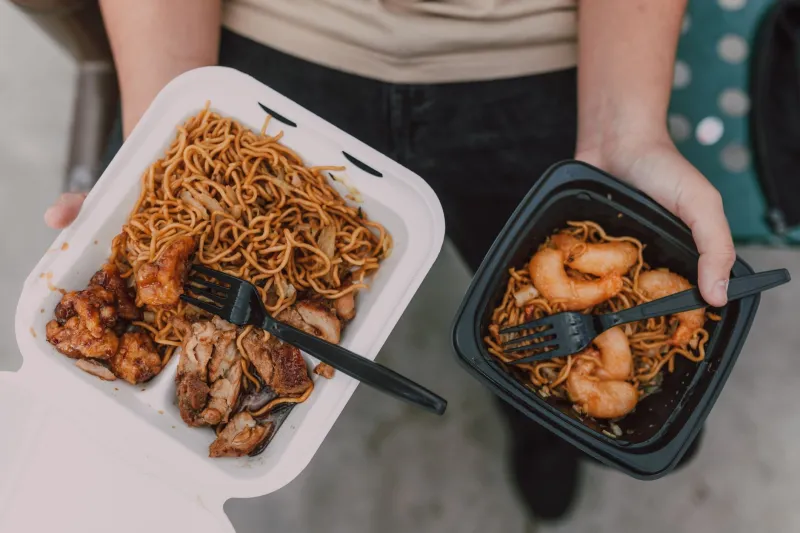
There is a particular kind of optimism in opening the fridge the morning after a takeaway and finding a foil box with a tangle of noodles set into cold broth. It is not the same bowl you ordered. It never will be. But with a bit of restraint and the right pan, it can become a very good second bowl — the sort of thrifty lunch that feels like a small win rather than a compromise.
At V10 Noodle Bar we are pro-leftover, anti-mush. Big bowls and fast flavours do not have to end at the first sitting. The trick is to stop treating reheating as a single button press and start treating it as a short, separate job for broth and noodles.
First, accept that it will not be the same bowl
A reheated broth bowl is a different dish. The noodles will soften, the broth will reduce, and the garnish will have given up. That is fine. Aim for a second version with its own character: hot, savoury, fresh enough at the edges, and not gluey in the middle. If you go in expecting the exact same bowl, you will overheat everything trying to chase it.
The two-container rule
As soon as you know you are keeping leftovers, separate the noodles from the broth. Use tongs or a fork and do it while the box is still cold; it is much easier than trying to untangle a warm clump later.
- Keep broth in a lidded jar or small saucepan.
- Keep noodles in a shallow container, not a deep packed box.
- Keep dry noodles and their sauce separate too, if they came that way.
- Bin any raw garnish, herbs, cucumber or bean sprouts that have been sitting in the box overnight.
Put both containers in the fridge once they have cooled – within two hours is the sensible rule. Eat the leftovers the next day. If anything smells sharp, fizzy or simply wrong, bin it. Thrift is good; food poisoning is not.
Which bowls survive the reheat
Broth-based bowls with wheat or egg noodles are the easiest. Thick, saucy noodles also reheat well if you add a splash of water and toss them gently. Rice noodles can work, but only if they were separated from the broth and are revived briefly.
Bowls that should probably be eaten cold: cold sesame or peanut noodles, noodle salads, anything with a lot of raw crunch and pickled vegetables. Reheating those turns a bright dish into a sad one. Crispy fried noodles are also best kept away from the microwave; re-crisp them in a low oven or air fryer if you must, but do not expect miracles.
Hob method for broth bowls
This is the method that gives you the best control. Warm the broth in a small pan over a medium heat until it is gently simmering, not rolling. Add a splash of water if it has reduced and tastes too salty. Taste it before you commit.
Meanwhile, put the noodles in a sieve and lower them into a pan of hot water for 30 to 60 seconds, or simply pour a kettle of hot water over them and let them drain. Do not boil them for minutes. You are loosening and warming, not cooking from scratch.
Put the drained noodles in a bowl, pour over the hot broth, and add fresh crunch: spring onion, coriander, chilli crisp, sesame seeds, a squeeze of lime. That final garnish is what makes it feel like a bowl rather than a reheated leftover.
Microwave method that does not steam the noodles to death
Microwaves are fine if you use them in stages. Put the broth in a microwave-safe jug or bowl, cover it loosely, and heat in two-minute bursts, stirring between. Check it is piping hot.
For the noodles, put them in a bowl with a tablespoon of water, cover, and heat in 30-second bursts. Toss between bursts. Dry noodles with no moisture will stiffen and catch; too much water will leave you with a puddle. Combine everything only at the end.
The dry-noodle exception
If you have leftover dry noodles with sauce, do not drown them. Sprinkle with water, cover, and microwave in short bursts, tossing each time. Add a little extra sauce or a splash of soy if they look tight. For crispy elements, keep them out of the microwave entirely and re-crisp them separately.
Reset the garnish and call it lunch
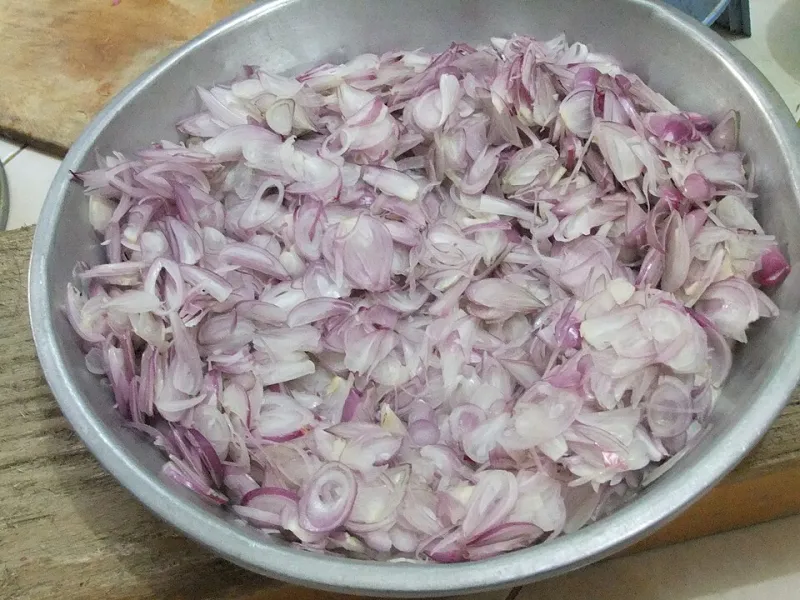
A leftover bowl is only as good as its fresh bits. Spring onion, coriander, sliced chilli, lime, sesame oil, crispy shallots, pickled ginger – whatever you have. This is the V10 bit: big flavour, no fuss. A handful of fresh crunch can rescue a bowl that has spent the night in the fridge.
The common-sense rules
Cool leftovers quickly, fridge them promptly, reheat once, and make sure broth is piping hot before you eat it. Do not leave a takeaway box on the counter overnight and hope for the best. If you are unsure, throw it out. The whole point of a leftover rescue is that it should be easy, cheap and safe – not a gamble.
Next time you order, ask for the broth or sauce on the side if you know you will not finish it. Keep the garnish separate. Then the second-day bowl becomes part of the plan rather than an afterthought. That is not a compromise on flavour. It is just good kitchen sense.