Snap, Crackle, Broth: Building a Crunch Layer That Survives the Box
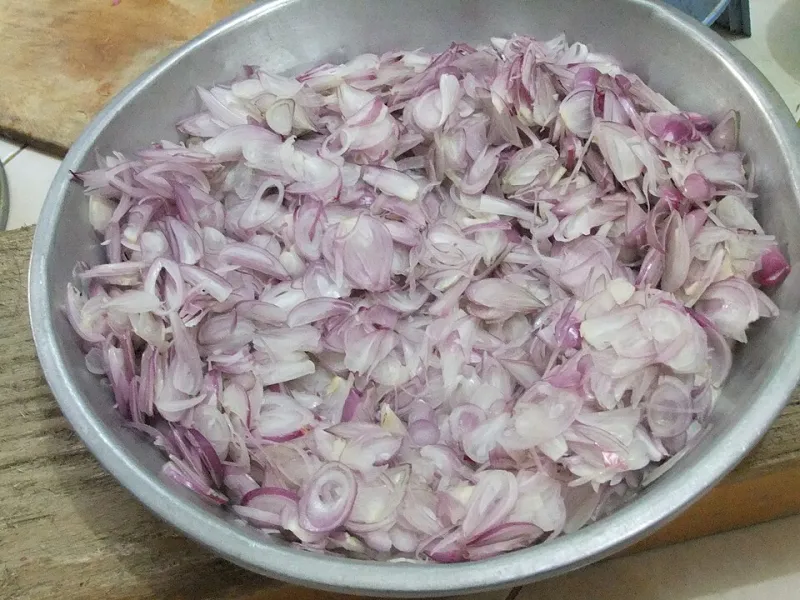
Photo: Sakurai Midori, CC BY 3.0, via Wikimedia Commons
A noodle bowl can taste perfectly fine and still feel dead in the mouth. That is the strange thing about takeaway. You can get the chilli right, the broth right, the protein right, and still end up with a box of soft things sliding over other soft things. No resistance. No surprise. No reason to go back for the next bite except hunger.
Texture is the quiet reason a bowl feels alive. It is the crack of fried shallots, the snap of a raw bean sprout, the little shard of crispy garlic, the cool crunch of pickled carrot against hot noodles. Flavour gets the menu copy. Crunch gets the pleasure.
And takeaway is very good at killing it.
Steam Is the Enemy of Crunch
A noodle bowl leaves the kitchen hot. It goes into a box, the box goes into a bag, the bag goes into a delivery rider’s backpack or onto your lap on the bus. Steam rises, condenses, and settles back into the food. Anything crispy that is packed against hot noodles will start to soften almost immediately. Fried shallots go chewy. Peanuts lose their snap. Beansprouts turn from fresh and squeaky to limp and watery. Crispy garlic can go from sharp and savoury to a sad little flake.
This is not a reason to give up on crunch. It is a reason to order with a bit of strategy. The crunch layer should not be buried. It should be kept separate, added late and treated as the finishing move rather than the base of the bowl.
The Crunch Layer, Ranked by Survives-the-Box
Not all crunch is equal. Some toppings travel well. Some need to be added at the door.
Fried shallots
Excellent travellers when kept in a small pot or paper bag. They are light, crisp and deeply savoury. They will still soften if sealed in with hot noodles, so keep them out of the main box. Add them in handfuls as you eat.
Crushed peanuts
Good, but not invincible. Peanuts hold their texture longer than shallots, especially if they are whole or roughly crushed rather than powdered. They bring a nice fatty crunch and work with chilli oil, lime and herbs.
Crispy garlic
Brilliant flavour, fragile texture. Crispy garlic can go bitter if it sits in steam too long, and it loses its all-important shatter very quickly. Treat it like a last-minute topping, not a buried treasure.
Raw beansprouts
One of the best crunch layers if you can get them raw and separate. They are fresh, watery in a good way and give a clean snap against rich broth. If they are cooked into the noodles, they will arrive soft. Ask for them on the side.
Pickled carrot and daikon
Sharp, bright and snappy. Pickles bring acid as well as crunch, which cuts through fatty broth and fried toppings. Keep them separate from the hot noodles if you can, or add them at the end so they stay cool and crisp.
Sesame seeds and spring onion
Nice to have, but they are not really a crunch layer. They are a finish. Use them on top of the real crunch, not instead of it.
How to Order a Crunch Layer
The best takeaway bowls are not just cooked well. They are packed with common sense. When you order, look for these clues.
Ask whether the crunchy toppings can go on the side. A kitchen that understands texture will usually say yes. If everything is pre-mixed and sealed, your crunch is already on borrowed time.
Ask whether the broth can be packed separately. This is the big one. If the noodles sit in hot broth for the whole journey, they absorb liquid and lose their bite. Pour the broth over at home and you keep more of the noodle’s spring. It also means any crunch you add later has a fighting chance.
Ask for beansprouts raw and separate if the menu allows. They are one of the cheapest, freshest crunch layers going, and they make a big bowl feel lighter and more alive.
Do not order extra sauce on top of everything. Sauce is slick, not snap. A little is good. A flood is not.
The Soft, Slick, Snap Checklist
A good bowl should hit three textures, not one.
Soft: the noodles should be tender but not mushy. They should hold their shape and feel like noodles, not wallpaper paste. Rice noodles can clump; wheat noodles can go stodgy. A little dressing or separate broth helps.
Slick: the broth or sauce should coat the noodles and make them glossy. This is the rich, savoury part of the bowl. It should not be so thin that it tastes like water, or so thick that it glues everything together.
Snap: something should fight back. Fried shallots, peanuts, raw beansprouts, pickled carrot, crispy garlic, even a few prawn crackers crushed over the top. The snap should arrive in the first bite and still be there near the bottom of the bowl.
If you can tick all three, the bowl will feel complete. If you can only tick soft and slick, it will taste fine and feel boring. If you can only tick snap, you are eating a salad with noodles in it.
Build It at Home Without Going Mad
You do not need a deep fryer or a specialist pantry. A small tub of fried shallots from the Asian supermarket, a bag of peanuts, a carrot quick-pickled in vinegar and sugar, and a handful of beansprouts will cover most bowls. Add them in stages. Put a third of the crunch on at the start, a third halfway through, and keep the rest for the last few bites. That way the bowl stays interesting to the end instead of giving you one brief moment of excitement at the top.
At V10 Noodle Bar, we like big bowls and fast flavours. But a big bowl needs a bit of contrast or it just becomes a long, soft slog. The crunch layer is not decoration. It is the thing that keeps you coming back for the next mouthful. Order it on the side, add it late, and let the bowl fight back a little.