Cheap Bowls, False Economies: A £12 Audit for Takeaway Noodles
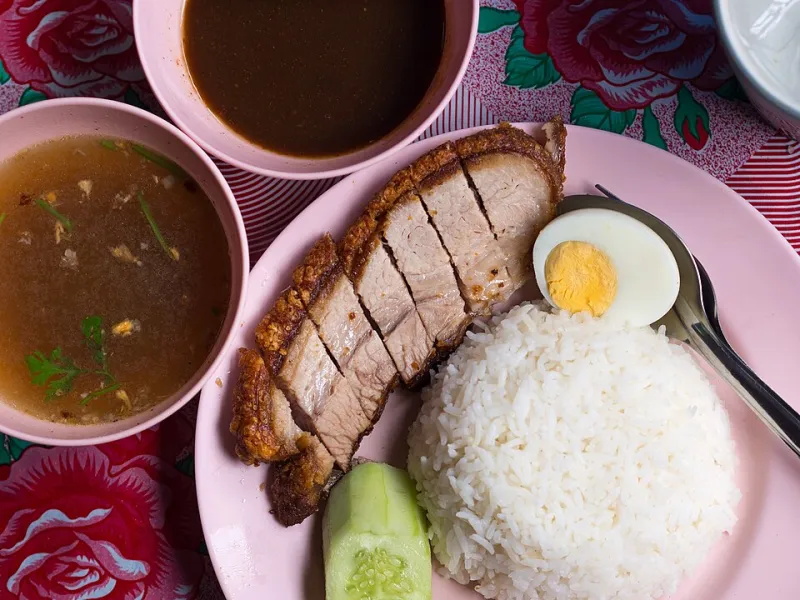
Photo: Takeaway, CC BY-SA 3.0, via Wikimedia Commons
£12 is an odd number to fix on. Not a bargain, not a blowout. In the UK takeaway noodle world, it sits right in the messy middle: a few quid more than the cheapest carton on the high street, a few quid less than the places that print their broth recipe on the wall. That makes it a useful benchmark. Not because twelve quid guarantees a good bowl, but because it forces the right question: what are you actually getting for the money?
At V10 Noodle Bar, we are biased towards big bowls, fast flavours and no fuss. We are not here to tell you to spend more for the sake of it. We are here to tell you that the cheapest bowl on the menu is often the most expensive mistake on the order. Value is not the headline price. Value is the bowl that finishes the job: fills you up, tastes of something, still has texture when it reaches your door, and does not collapse into sad noodle porridge by the next day.
The £12 Benchmark Is Not a Price Cap
A £12 bowl can be brilliant. It can also be a shallow puddle of stock with a handful of noodles and a few mournful slices of chicken. Price alone tells you almost nothing. What matters is the composition of the bowl and the way it travels.
Imagine two fictional orders. Bowl A costs £8.50. The broth is thin and salty, the noodles are clumped together in the box, the beansprouts have steamed into limp threads, and the protein is three thin strips hiding under a mound of carrot. It fills a gap for twenty minutes. By 9pm you are rummaging for crisps. Bowl B costs £12.50. The broth has body, the noodles are packed separately or dressed just enough, the protein is a proper part of the bowl rather than a garnish, and the crunchy bits are still crunchy because they were kept away from the heat. It costs four quid more. It also does the job of dinner.
That is the test. Not which bowl is cheapest, but which bowl you would happily order again when you are hungry, tired and not in the mood to be disappointed.
Where Cheap Bowls Lose Their Money
Value leaks out of a takeaway bowl in predictable places.
Broth depth
A good broth does not need to be thick as gravy, but it needs to taste like more than hot water and soy. If the menu lists nothing but stock, salt and chilli, expect a thin bowl. If it mentions bones, miso, aromatics, coconut or a long simmer, there is a better chance of depth. Depth also helps the bowl feel satisfying without needing twice as much noodles.
Protein-to-noodle ratio
This is not about piling a whole chicken on top. It is about balance. You want enough protein to make the bowl feel like a meal, not a lucky dip. A cheap bowl often uses noodles as filler and protein as decoration. A better bowl uses both with intent.
Vegetable crunch
Vegetables in a takeaway noodle bowl have a hard life. They get packed hot, sealed tight and steamed on the way home. If they arrive with any snap, someone has thought about it. If they arrive as brown mush, they have not. Beansprouts, pickled carrot, cucumber and spring onion should still have a bit of life about them.
Packaging
A leaky box is not just annoying. It tells you the kitchen has not planned for the journey. Good packaging keeps broth away from noodles you want to stay separate, keeps crunch toppings out of the steam, and survives a bus ride or a delivery bag without turning the whole order into a soup bag.
The next-day test
A £12 bowl that gives you dinner and a decent lunch the next day is better value than an £8.50 bowl you bin half of. Noodles will always soften overnight, but a bowl with a proper broth and separate toppings can be revived. A bowl that was watery and sad on arrival has no second act.
Three Questions to Ask Before You Click
You do not need a spreadsheet. You need a few blunt questions.
First: is the broth sold as broth, or is it just a base? Look for words that tell you someone has cooked it. Miso, chilli oil, coconut, star anise, roasted garlic, long-simmered stock. If the description is only a list of toppings, the broth is probably an afterthought.
Second: can the crunchy bits go on the side? If the answer is yes, the kitchen understands texture. If everything is dumped in one box before it leaves, your fried shallots are already losing their fight.
Third: what are the noodles, and how are they packed? Rice noodles, wheat noodles, ramen, udon — they all behave differently. A good takeaway bowl either dresses them lightly so they do not clump, or keeps the broth separate so you can pour it yourself at home.
What a Good £12 Bowl Actually Looks Like
It is not the fanciest thing on the menu. It is the bowl with a clear idea. A broth you would happily drink from a spoon. Noodles that still have a bit of spring. Enough protein to make you stop hunting for it. Vegetables that taste fresh rather than exhausted. A separate pot of chilli, crispy garlic or crushed peanuts so you can add them at the last minute. Packaging that does not betray you on the walk home.
That is the twelve-quid test. Not cheap, not expensive, just honest. If a bowl cannot pass it, the price is not the problem. The bowl is.